Zimbabwe's insurance regulator has been convening the industry on IFRS 17, and for small short-term insurers and funeral assurers the question is no longer whether but when. The Big-4 tooling built for multinational groups is priced far beyond a small insurer's budget — yet most of what makes IFRS 17 hard for a small book is not the measurement model at all.
It is a data problem first
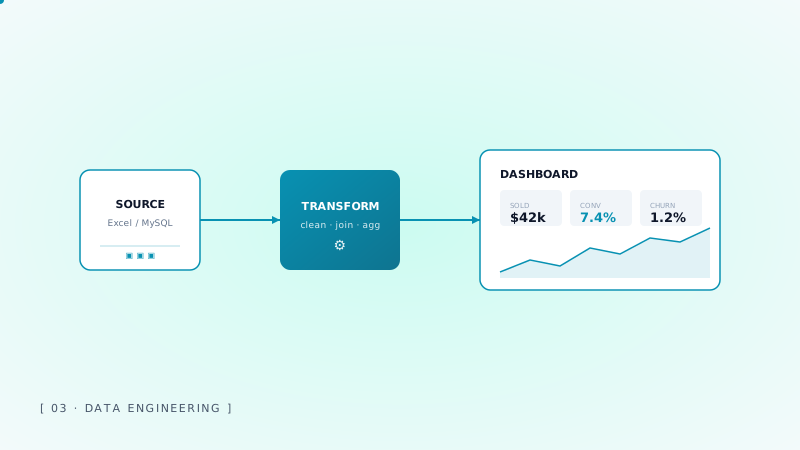
Before any actuary can apply the premium allocation approach to your book, your policy and claims data has to arrive in measurement-ready shape: contracts grouped correctly, cash flows separated, cohorts identified, and the whole thing reproducible next quarter without a heroic spreadsheet weekend.
That is data engineering, and it is the part a software team can build and hand to your consulting actuary to review and sign off. The methodology and the opinions stay with the actuary — as they must — but the pipelines, the groupings and the disclosure workbooks can be automated now.
Where to start
Pull one quarter's policy and claims extracts and try to produce the IFRS 17 contract groupings from them mechanically. Every manual fix you need is an item on the data-work backlog. Clear that backlog before the deadline pressure arrives, and the actuarial engagement itself becomes dramatically cheaper.